The best trail camera batteries, by season and use

Energizer Ultimate Lithium AA (24-pack)
$41.08 listed price, changes often See it on AmazonPicks by experience level
Beginner
 Amazon Basics NiMH rechargeable AA (8-pack)$10.49
Rechargeable NiMH AAs are the cheapest way to keep a camera running if you check it often enough to swap and recharge sets. They read at 1.2V instead of 1.5V, which some cameras report as low sooner than they actually are, and they lose more capacity in freezing weather than lithium.
Check priceIntermediate
Energizer Ultimate Lithium AA (24-pack)$41.08Lithium AA batteries are the best all-around choice for most trail cameras. They hold up to about -40F, last roughly 2 to 3 times longer than alkaline in the same camera, and a 24-pack covers multiple cameras or a full season of swaps in one order.
Check priceExpert
 IBATTS LIT-10 battery for SPYPOINT$35.99
A proprietary lithium pack built for SPYPOINT cellular cameras, sized to handle the extra drain of GPS, live view and constant cellular transmission that standard AAs burn through fast. Someone running a basic SD-card camera does not need a proprietary battery pack at all; AAs are simpler and cheaper for that use.
Check priceWhy do batteries drain so much faster in cold weather?
An AA alkaline battery holds about 2,500 mAh at room temperature, but its chemistry slows down badly as it gets cold, so it delivers a fraction of that capacity in freezing conditions right when hunters most want a camera running through late season. Lithium AA batteries, like Energizer Ultimate Lithium, use a different chemistry that keeps working down to about -40F and typically lasts 2 to 3 times longer than alkaline in the same trail camera, cold weather or not. If you run cameras through winter at all, lithium is not an upgrade, it is close to a requirement.
What actually drains a trail camera battery the fastest?
Night infrared triggers and video recording pull far more power than daytime photos, since the IR flash and the longer active time per trigger both cost energy. On a cellular camera, transmitting each photo over the network is the single biggest drain of all. A cellular camera set to send every photo immediately will burn through batteries much faster than the same camera set to send once a day on a schedule, or one running on SD card only. See the battery life calculator to estimate runtime for your specific camera and settings, and the battery life chart for typical ranges by camera type.
Rechargeable or single-use, which is actually cheaper?
NiMH rechargeables cost more upfront per set but pay that back over many recharge cycles if you are willing to carry a charger and swap sets on every check. The catch is that NiMH cells read at 1.2V per cell rather than the 1.5V of alkaline or lithium, and some trail cameras interpret that lower voltage as a low-battery warning well before the cells are actually empty, cutting your usable runtime short. Lithium single-use batteries cost more per battery than alkaline but less in the long run than constantly buying alkaline replacements, and they do not have the voltage-reading issue. For most owners running one or two cameras, lithium AA is the simplest, most reliable choice.
How do these battery options compare?
| Option | Type | Cold weather | Best for |
|---|---|---|---|
| Amazon Basics NiMH 8-pack | Rechargeable, 1.2V | Weak | Frequent checks, budget-minded |
| Energizer Ultimate Lithium 24-pack | Single-use lithium | Strong to -40F | Most trail cameras, all seasons |
| HW USB-C rechargeable lithium | Rechargeable lithium | Strong | Field recharge convenience |
| IBATTS LIT-10 | Proprietary lithium pack | Strong | SPYPOINT cellular cameras with heavy use |
| Stealth Cam Sol-Pak 12V | Solar-fed 12V pack | Strong with sun | Continuous video or heavy cellular use |
How we chose these picks
Battery chemistry claims (voltage, cold-weather rating, capacity) are drawn from published specs and general battery chemistry knowledge, not from running batteries down in a camera ourselves. This is a research-based roundup; we have not conducted hands-on field testing of runtime.
Buying tips for trail camera batteries
Buy one battery chemistry per camera and do not mix old and new batteries, or lithium and alkaline, in the same camera; mismatched cells drain unevenly and can cause the camera to shut down early or read voltage incorrectly. If a camera supports a proprietary lithium pack, it usually beats a set of AAs on total runtime per dollar once you account for how many AA sets you would otherwise buy across a season, especially on a cellular or solar-assisted camera that sees heavy transmission. Skip the cheapest AA batteries you can find; a trail camera left outdoors through summer heat and winter cold is a worse environment for a battery than almost anything else that battery goes in.
More picks worth a look
Listed prices change often; the button shows the current price.
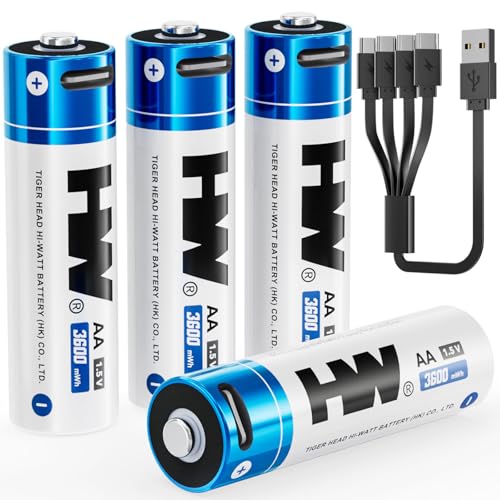 AA batteries HW USB-C rechargeable lithium AA (4-pack) $15.18
 USB-C rechargeable lithium AAs combine lithium's cold-weather performance with the convenience of recharging in the field from a power bank.
Specs and variants Check price AA batteries Allmax Lithium AA (24-pack) $29.99
 A budget 24-pack lithium AA alternative to Energizer at a lower per-battery cost.
Specs and variants Check price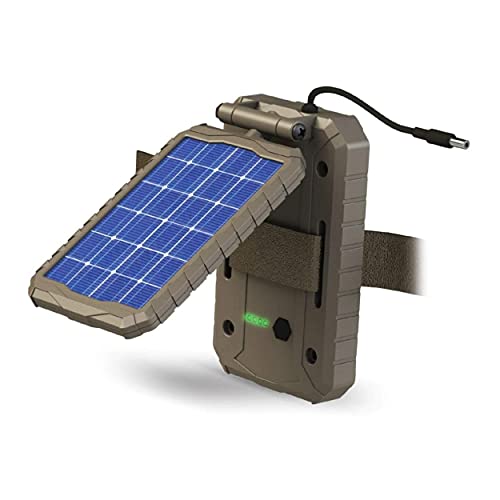 Battery pack Stealth Cam Sol-Pak 12V solar battery pack $48.00
 A 12V solar-fed battery pack for cameras that run continuous video or heavy cellular transmission and need more capacity than AAs can supply.
Specs and variants Check price Battery pack REACELL LIT-10 battery for SPYPOINT (2-pack) $32.99
 A spare SPYPOINT-compatible battery pack, sold as a 2-pack, so you always have a charged swap ready.
Specs and variants Check priceFrequently asked questions
What batteries last longest in a trail camera?
Lithium AA batteries such as Energizer Ultimate Lithium last roughly 2 to 3 times longer than standard alkaline in the same trail camera, and they keep working in temperatures down to about -40F where alkaline loses much of its capacity. For most cameras running standard AA batteries, lithium is the longest-lasting practical option without switching to solar.
Can I use rechargeable batteries in a trail camera?
Yes, NiMH rechargeables work in most trail cameras, but they read at 1.2V per cell instead of the 1.5V of alkaline or lithium, and some cameras will flag them as low battery sooner than the cells are actually depleted. They also lose more of their capacity in freezing weather than lithium AAs do.
Why does my trail camera drain batteries so fast?
Night infrared flash and video recording use far more power than daytime still photos, and on a cellular camera, transmitting each photo over the network is usually the single biggest drain. Cold weather also cuts alkaline battery capacity sharply. Switching to lithium AAs and reducing video or cellular send frequency both extend runtime noticeably.
Do cellular trail cameras need special batteries?
Standard AA lithium batteries work in most cellular trail cameras, but the heavier drain from GPS, live view and constant transmission means they empty faster than in a non-cellular camera. Some brands sell proprietary lithium battery packs sized for that extra draw, which can be worth it for a camera left out for a full season.
How many batteries does a trail camera need?
Most trail cameras take 6 to 12 AA batteries depending on the model; check your specific camera's manual for the exact count. Buying a 24-pack of lithium AAs typically covers one to two full battery changes for a single-camera setup, or one change across two cameras.
Researched from published specifications, brand plan lists and verified owner reviews; we do not claim hands-on testing. General information, not professional, legal or security advice. Trail camera rules differ by state: some restrict transmitting cameras during hunting seasons or on public land, so check your state wildlife agency. Recording and audio laws vary; only record where you have the right to.