Trail camera settings for wildlife watching and behavior video

GardePro E6 2.0 Pro WiFi
$79.99 listed price, changes oftenRecommended settings
| Capture mode | Video |
|---|---|
| Photos per trigger (burst) | n/a |
| Delay between triggers | 10 seconds |
| PIR sensitivity | Medium |
| Photo resolution | 1080p (4K fills cards 3x faster) |
| Video | 20-30 s with audio |
| Night flash | Low-glow |
| Time-lapse | Off |
Why these settings?
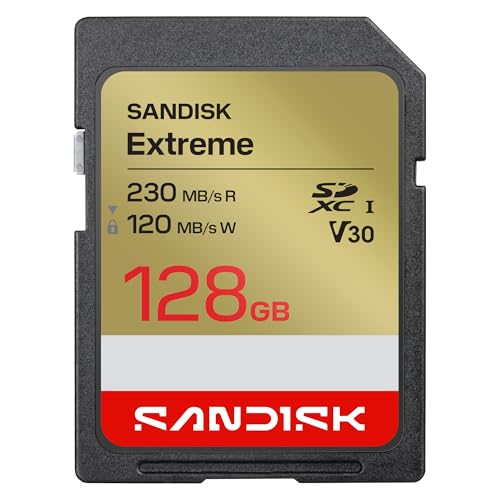
Behavior is the point, so longer clips beat more clips. Budget card space and batteries for it.
Menu names differ by brand: "delay" is also called interval or quiet period, "burst" is multi-shot, and "hybrid" means photo followed by video. Time-lapse and field-scan modes go by several names; the manual lists them under capture or trigger settings. The glossary defines each term.
If the camera runs on land you hunt, check your state wildlife agency's rules: some states restrict transmitting (cellular) cameras during hunting seasons or on public land.
Settings for other uses
deer scouting on a trail or travel corridor, food plot or field time-lapse, mineral site or scrape, water hole or creek crossing, driveway or road security, cabin or building door, farm or property gate, bear activity, winter and late season, livestock and pasture, construction site or equipment yard.
Gear that suits these settings


Frequently asked questions
What trigger delay should I use?
For wildlife watching and behavior video, 10 seconds. The delay (also called interval or quiet period) is the pause after a trigger before the camera can fire again. Short delays catch fast traffic but fill cards and drain batteries where animals or people linger; long delays do the opposite.
Should sensitivity be set to high?
Here, medium. High sensitivity helps in hot weather, when a warm body barely stands out from warm ground, and for small or fast subjects. It also triggers on sun-warmed branches moving in wind, so drop it a step if you get empty frames.
Researched from published specifications, brand plan lists and verified owner reviews; we do not claim hands-on testing. General information, not professional, legal or security advice. Trail camera rules differ by state: some restrict transmitting cameras during hunting seasons or on public land, so check your state wildlife agency. Recording and audio laws vary; only record where you have the right to.