SPYPOINT Flex-M2: what size SD card?

SanDisk Ultra 16GB SDHC
$18.41 listed price, changes oftenHow many days does each card size last in the SPYPOINT Flex-M2?
At the 32MP setting, one photo is about 6.6MB; a 10-second 1080p clip is about 20MB.
| Checked every | Photos use | Photo card | 10 s 1080p video uses | Video card |
|---|---|---|---|---|
| 7 days | 1.4 GB | 8GB | 4.2 GB | 8GB |
| 14 days | 2.8 GB | 8GB | 8.4 GB | 16GB |
| 21 days | 4.2 GB | 8GB | 12.6 GB | 32GB |
| 30 days | 5.9 GB | 8GB | 18.0 GB | 32GB |
| 45 days | 8.9 GB | 16GB | 27.0 GB | 64GB |
| 60 days | 11.9 GB | 16GB | 36.0 GB | 64GB |
| 90 days | 17.8 GB | 32GB | 54.0 GB | 128GB |
Other SPYPOINT cameras: SPYPOINT Flex-M, SPYPOINT Flex G-36, SPYPOINT Flex-S Dark Starter (solar); all models on the SPYPOINT SD card page.
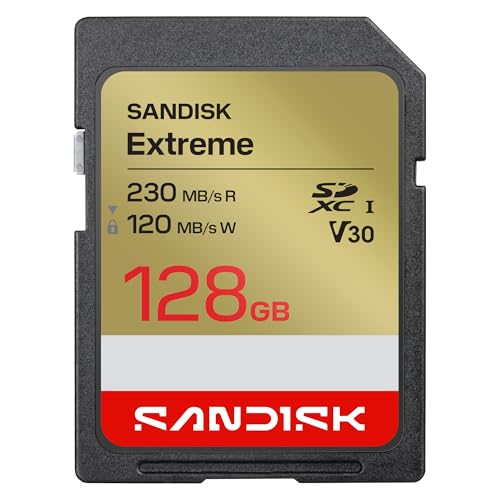
Cards above 32GB are SDXC. Before buying a 64GB or larger card for the SPYPOINT Flex-M2, confirm the maximum supported card size in its manual.
SD cards and a reader for the field
Name-brand cards; keep two per camera and swap at each check.



Frequently asked questions
Can a trail camera use a card bigger than 32GB?
Only if the camera supports SDXC. Cards of 64GB and larger are SDXC and use the exFAT file system; many older and budget trail cameras read only SDHC cards up to 32GB and will refuse to format a larger one. The maximum supported size is in the manual. When in doubt, two 32GB cards swapped at each check are the safer buy.
Should I format the SD card in the trail camera?
Yes. Format a card in the camera itself before each deployment. A card formatted on a computer can end up with a file system or cluster size the camera handles badly, which shows up as card errors or corrupted files. Copy your photos off first, since formatting erases everything.
Researched from published specifications, brand plan lists and verified owner reviews; we do not claim hands-on testing. General information, not professional, legal or security advice. Trail camera rules differ by state: some restrict transmitting cameras during hunting seasons or on public land, so check your state wildlife agency. Recording and audio laws vary; only record where you have the right to.