The best SD cards for a trail camera, by size and speed
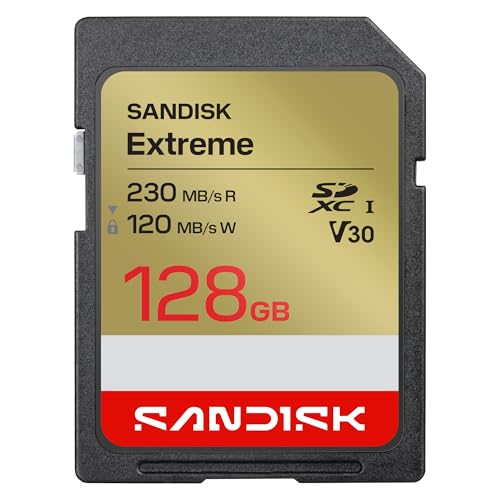
SanDisk Extreme 128GB SD
$44.99 listed price, changes oftenPicks by experience level
Beginner
 SanDisk Ultra 32GB SDHC$19.99
A cheap, reliable 32GB SDHC card that suits a photo-only trail camera checked every few weeks. It trades away video headroom and write speed, so skip it if your camera shoots a lot of clips or you plan to leave it out all season.
Check priceIntermediate
SanDisk Extreme 128GB SD$44.99A faster card that keeps up with high-megapixel photo bursts and 1080p or 4K clips without dropped frames. 128GB is enough to run a full season on one card in most single-camera setups.
Check priceExpert
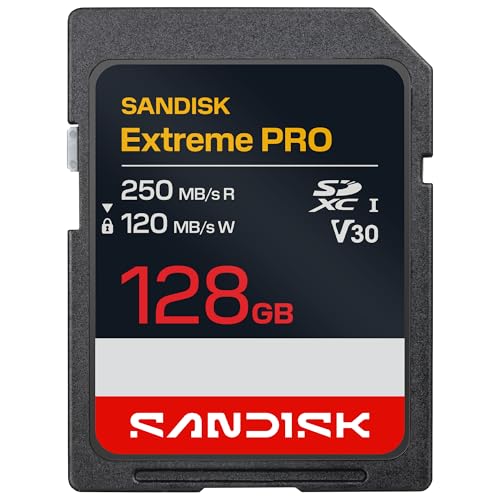 SanDisk Extreme PRO 128GB SD$51.90
The fastest, highest-endurance card on this list, built for a camera shooting multiple 4K clips a day or one that only gets checked a couple of times a season. If you run one photo-only camera and check it weekly, a basic 32GB card does the same job for a fraction of the price, so do not buy this tier for that setup.
Check priceHow much SD card capacity does a trail camera actually need?
A full-resolution trail camera photo is typically 2 to 8 MB. That means even a basic 32GB card holds several thousand photos, and a 64GB card can hold well over ten thousand at typical settings. The math changes fast once you turn on burst mode (three or five photos per trigger instead of one) or run a camera on a busy trail with a lot of traffic. A camera checked once a month on a quiet food plot needs far less card than one checked once a season on a busy trail through a bedding area.
Run your own numbers with the trail camera SD card calculator before you buy, using your camera's megapixel setting and how many days between checks. The SD card capacity chart lays out rough photo counts by card size if you want a quick reference instead.
Does video eat through a card faster than photos?
Yes, by a wide margin. A 10-second 1080p clip runs about 10 to 20 MB, and a 10-second 4K clip runs about 40 to 70 MB. A camera set to record video on every trigger can fill a 32GB card in a fraction of the time a photo-only camera would take. If your camera shoots video clips, or you are not sure how it is set, size up. A 128GB card gives real breathing room, and the file size chart breaks down typical sizes by resolution and length.
Interpolated 40 to 64MP "modes" advertised on budget cameras are usually upscaled from a smaller native sensor, so the files are bigger without being meaningfully sharper. That upscaling also means those files eat more card space per photo than the megapixel number alone would suggest.
Do cellular trail cameras need a big SD card too?
Often people assume a cellular camera does not need a card since photos show up on a phone. It still does. Cellular cameras send a compressed thumbnail, typically 100 to 300 KB, to save data. The full-resolution file stays on the SD card in the camera, and that is the version you want if you ever need to zoom in or print a photo. Skipping a real card on a cellular camera means you are stuck with thumbnail quality forever. See how much a cellular trail camera costs for the rest of the ownership math.
How do these SD cards compare?
| Card | Capacity | About | Best for |
|---|---|---|---|
| SanDisk Ultra 16GB | 16GB | about $18 | One low-traffic camera, photos only |
| SanDisk Ultra 32GB | 32GB | about $20 | Standard photo-only camera |
| SanDisk Extreme 32GB | 32GB | about $23 | Faster writes for burst photo mode |
| SanDisk Extreme 128GB | 128GB | about $45 | 1080p or 4K video, full season |
| SanDisk Extreme PRO 128GB | 128GB | about $52 | Multiple 4K clips a day, infrequent checks |
How we chose these picks
These picks are pulled from published card capacity, speed class and price on each product's Amazon listing, plus how trail camera owners describe using them in verified reviews. We have not tested these cards ourselves in a camera in the field; this is a research-based roundup built from manufacturer specs and owner feedback, not hands-on testing.
Buying tips for a trail camera SD card
Format a new card in the camera itself before the first use rather than on a computer, since most trail cameras want their own file structure. Buy a name-brand card; off-brand cards fail more often in the heat and cold swings a camera sees outdoors. Keep a spare card in your bag so a camera never sits dead while you wait to get a full card home. Check that the physical write-protect switch on full-size SD cards (not the micro adapters) is set to unlocked, since a locked card will not save a single photo and you will not find out until you get home.
Do not buy more capacity than your check schedule needs. A 512GB card sitting behind a camera you check every two weeks is money that would do more for you spent on batteries or a second camera.
More picks worth a look
Listed prices change often; the button shows the current price.
 SD card GardePro 64GB trail camera SD card $29.99
 Sized and priced for owners already running GardePro cameras, built to that ecosystem's card requirements.
Specs and variants Check price SD card WOSODA 64GB trail camera SD card $27.99
 A similar capacity at a similar price to the GardePro card, a solid alternative 64GB card when the other is out of stock.
Specs and variants Check price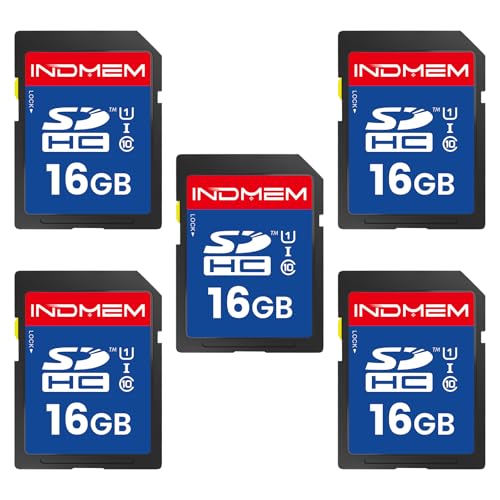 SD card 16GB SDHC card 5-pack $45.99
 A 16GB card 5-pack is the cheapest way to outfit several photo-only cameras at once instead of buying one card at a time.
Specs and variants Check price SD card SanDisk Ultra 16GB SDHC $18.41
 The smallest, least expensive option here. It suits a single low-traffic camera that only needs to hold a season's worth of still photos.
Specs and variants Check priceFrequently asked questions
Can I use any SD card in a trail camera?
Most trail cameras accept standard SDHC (up to 32GB) or SDXC (64GB and up) cards, but check your camera's manual for its maximum supported capacity first. Some older or budget cameras cap out at 32GB or 64GB and simply will not recognize a larger card, so buying within your camera's stated limit matters more than buying the biggest card available.
What SD card size is best for a trail camera?
32GB to 64GB covers most photo-only setups checked every few weeks. Go to 128GB if your camera records video on every trigger, if you run it on a busy trail, or if you leave it out for a full season between visits. Use the SD card calculator with your own settings for an exact number instead of guessing.
Do I need a fast SD card for a trail camera?
Photo-only cameras on standard settings do fine on a basic card. A faster card (SanDisk Extreme or Extreme PRO tier) matters once you shoot burst photos, high-megapixel interpolated modes, or video, since a slow card can cause the camera to miss the next trigger while it finishes writing the last file.
How many photos fit on a 32GB SD card?
At a typical 2 to 8 MB per photo, a 32GB card holds roughly 4,000 to 16,000 photos depending on your camera's resolution and compression settings. Burst mode (multiple photos per trigger) cuts that number down proportionally, so a camera set to fire three photos per trigger holds about a third as many total triggers.
Should I buy SDHC or SDXC for a trail camera?
SDHC covers cards up to 32GB and SDXC covers 64GB and larger; they are electrically compatible formats but your camera has to support the one you buy. Check the camera's spec sheet or manual for its maximum card size before ordering, since plugging in an unsupported card size can mean the camera does not recognize it at all.
Researched from published specifications, brand plan lists and verified owner reviews; we do not claim hands-on testing. General information, not professional, legal or security advice. Trail camera rules differ by state: some restrict transmitting cameras during hunting seasons or on public land, so check your state wildlife agency. Recording and audio laws vary; only record where you have the right to.