How long do trail camera batteries actually last?

Energizer Ultimate Lithium AA (8-pack)
$11.99 listed price, changes often See it on AmazonWhat actually drains a trail camera's batteries?
Four things matter far more than the battery brand: how often the camera triggers, whether it shoots photo or video, whether it uses IR flash at night, and, for cellular models, how often it transmits. Night triggers with infrared flash use noticeably more power than daytime photo triggers, video drains more than stills of the same trigger, and on a cellular camera the radio transmission for each upload is typically the single biggest drain of all, well ahead of the sensor and flash combined. Run the battery life calculator with your own expected triggers per day to get a realistic estimate before you head out.
How long do batteries last in a standard SD-card camera?
At a moderate trigger rate (roughly 20 to 50 triggers a day, a typical active scouting trail), a standard camera on 8 lithium AAs commonly runs somewhere in the range of 6 to 12 months before needing a fresh set. Low-traffic spots checked a couple times a year can stretch even further. Heavy video use, or a very high-traffic spot with hundreds of triggers a day, cuts that down to weeks or a couple of months rather than most of a year.
How long do batteries last in a cellular camera?
Cellular models drain much faster because every trigger that sends a photo also fires the radio to upload it. Even a moderate-use cellular camera commonly burns through a set of AAs in 1 to 4 months, and a high-traffic spot with poor signal (which forces retries) can be worse. This is the main reason most cellular camera owners add a solar panel, since it is rarely practical to keep swapping batteries on a camera checked only a few times a season.
Does cold weather really cut battery life that much?
Yes, and this is where battery chemistry matters most. A standard alkaline AA holds roughly 2,500 mAh at room temperature but loses a large share of that capacity as it approaches freezing, sometimes dropping to a fraction of its rated output in hard winter cold, which is exactly when a hunter most wants the camera running through the late season. Lithium AAs (like Energizer Ultimate Lithium) hold their charge down to roughly -40F and last roughly 2 to 3 times longer than alkaline in a trail camera even at normal temperatures, which is why nearly every trail camera manufacturer recommends lithium AAs specifically, not just "any AA battery." See more in the cold weather guide.
Lithium vs alkaline vs rechargeable NiMH: which actually lasts longest?
| Battery type | Room-temp capacity | Cold performance | Best for |
|---|---|---|---|
| Alkaline AA | ~2,500 mAh | Poor, loses much of its capacity near freezing | Short-term, mild climate only |
| Lithium AA | ~3,000+ mAh | Excellent to about -40F | Cold-weather scouting, cellular cameras, most manufacturers' recommendation |
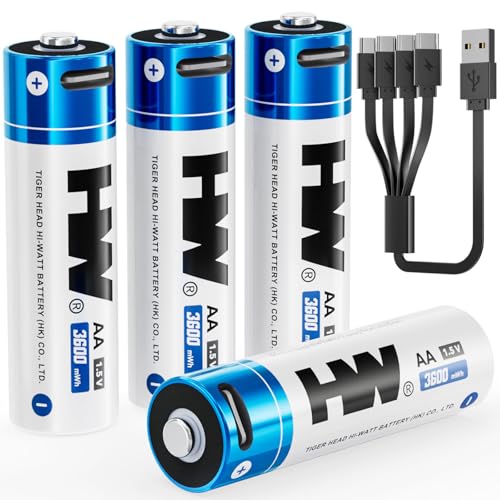
| NiMH rechargeable AA | Varies, lower voltage (1.2V) | Moderate | Budget-conscious owners who swap batteries often; some cameras misread the lower voltage as low battery |
A pack of Energizer Ultimate Lithium AA is the standard recommendation across brands. Budget alternatives like Allmax Lithium AA or NINMAX Lithium AA in bulk 24-packs work out cheaper per camera if you are running several units. Rechargeable Amazon Basics NiMH AAs save money over a season of swaps but check your camera's manual first, some cameras read the lower 1.2V NiMH voltage as a low-battery warning even when the cells still have plenty of charge left.
Does trigger volume actually change the math this much?
Yes, more than almost any other variable. A camera on a food plot with constant daytime activity and occasional night triggers can burn through batteries several times faster than the same camera on a quiet ridge trail checked twice a season. If you are seeing shorter battery life than expected, check your trigger interval and sensitivity settings before assuming the batteries or the camera are defective; see the settings guide for interval and sensitivity guidance that directly affects power draw.
How can you extend battery life in the field?
Use lithium AAs as the baseline, not alkaline. Set a sensible trigger interval rather than the fastest possible setting. Drop resolution and burst count if you do not need the maximum. For cellular cameras run more than a season between visits, add a solar panel, options like the SPYPOINT SPLB-10 solar panel or the Moultrie Solar Power Pack keep a cellular camera topped off indefinitely in most of the country, though heavy tree cover or a north-facing panel undercuts how well solar performs. See the solar panel guide for sizing and placement.
Gear mentioned in this guide
Listed prices change often; the button shows the current price.



Frequently asked questions
Do lithium batteries really last that much longer than alkaline?
Yes. Lithium AAs hold roughly 2 to 3 times the usable runtime of alkaline in a trail camera, and the gap widens further in cold weather since alkaline loses much of its capacity near freezing while lithium holds up to about -40F. Nearly every trail camera manufacturer recommends lithium specifically for this reason.
Why does my cellular camera go through batteries so much faster than my standard one?
Cellular transmission is the single biggest power drain on a cellular camera, well beyond the sensor or flash. Every photo that sends over the cell network fires the radio, which is why cellular cameras commonly run 1 to 4 months on a set of batteries versus 6 to 12 months for a similar standard camera.
Can I use rechargeable batteries in a trail camera?
Yes, NiMH rechargeables work in most cameras and save money over repeated swaps, but check your specific camera's manual first. Some cameras read NiMH's lower 1.2V nominal voltage as a low-battery signal even when the cells are still well charged, which can cause premature shutoffs or false warnings.
Does a solar panel replace batteries entirely?
Not quite. A solar panel keeps the batteries topped off rather than removing the need for them; you still put batteries or a battery pack in the camera, the panel just recharges or supplements them using sunlight. In good sun exposure this can keep a cellular camera running indefinitely between visits.
Researched from published specifications, brand plan lists and verified owner reviews; we do not claim hands-on testing. General information, not professional, legal or security advice. Trail camera rules differ by state: some restrict transmitting cameras during hunting seasons or on public land, so check your state wildlife agency. Recording and audio laws vary; only record where you have the right to.